
Uptime
Availability of critical equipment and duration of service interruptions.
A medical equipment programme needs governance after purchase. Clinical engineering and maintenance planning help protect patient safety, uptime, compliance, investment value and operational continuity.
The approach should be proportionate to equipment risk, complexity, utilisation, manufacturer requirements and the availability of internal and external technical capability.
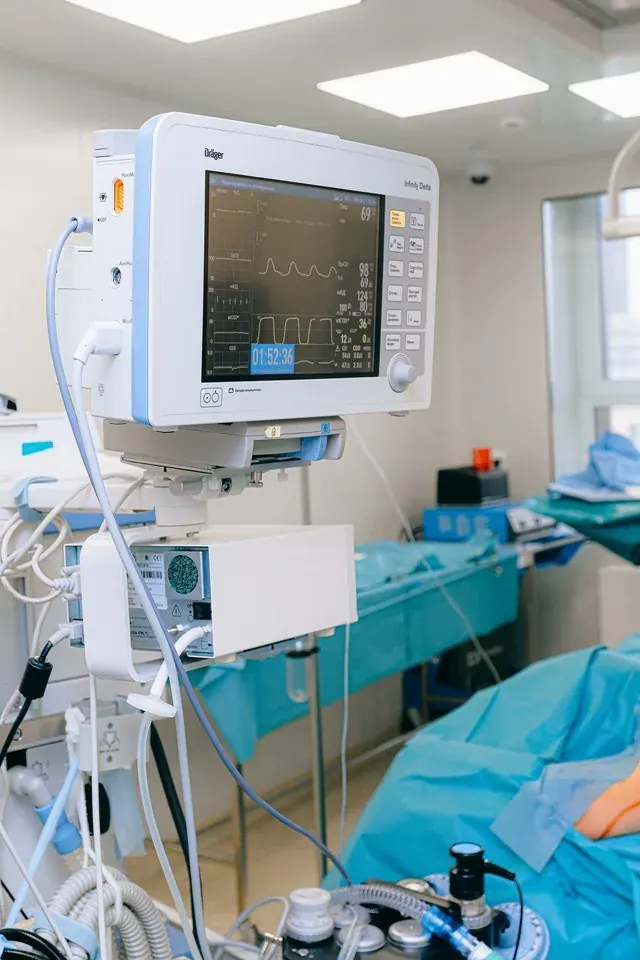
Choose the appropriate mix of in-house maintenance, manufacturer support, third-party service agreements, preventive maintenance, calibration, statutory inspection and condition-based intervention.
Maintain asset history, service reports, test certificates, calibration records, recalls, safety notices, software versions, warranties and contracts. Records should be accessible for audits and operational decision-making.
Combine age, condition, risk, failure rate, downtime, maintenance cost, clinical relevance, obsolescence and supportability. Replacement decisions should be linked to a multi-year capital plan rather than emergency failure alone.
Availability of critical equipment and duration of service interruptions.
Preventive maintenance, calibration and inspection completed on time.
Maintenance cost, repeat failures, obsolescence and replacement priority.
No. The strategy should reflect manufacturer guidance, risk, regulation, utilisation and local operating conditions.
Scope, exclusions, response times, parts, labour, preventive maintenance, reporting, software support, escalation and performance review.
From acquisition. Expected life, supportability and future replacement cost should be recorded in the asset register.
Capex links clinical-engineering and maintenance planning to equipment criticality, warranty status, service capacity, parts availability, downtime risk and future replacement demand so technical support decisions can inform capital planning.
The strongest service links for this topic are medical equipment lifecycle planning, healthcare technology consulting and procurement support where serviceability needs to influence new purchases.
Maintenance planning should reflect the equipment risk profile, manufacturer requirements, utilisation, local technical capacity and the consequences of downtime. In South African healthcare facilities, service contracts, parts availability, response times and escalation paths should be understood before equipment reaches the end of warranty.
Capex Solutions connects these considerations to medical equipment lifecycle planning and healthcare technology consulting. For hospitals and clinics across African markets, the maintenance model may also need to account for travel distances, distributor coverage, imported parts, remote technical support and the availability of backup equipment where service response is slower.
© 2026 Capex Solutions (Pty) Ltd. All rights reserved. Reg. No: 2012/191326/07. Web Design by Dasher.co.za