
Medical Equipment Commissioning Guide
Why Installation and Commissioning Need a Formal Plan
Medical equipment is not operational simply because it has arrived on site. A controlled process is needed to confirm site readiness, delivery condition, installation, configuration, safety, performance, user training and handover documentation.
The plan should allocate responsibilities between the client, contractor, equipment supplier, clinical users, facilities team, information-technology team and commissioning stakeholders.
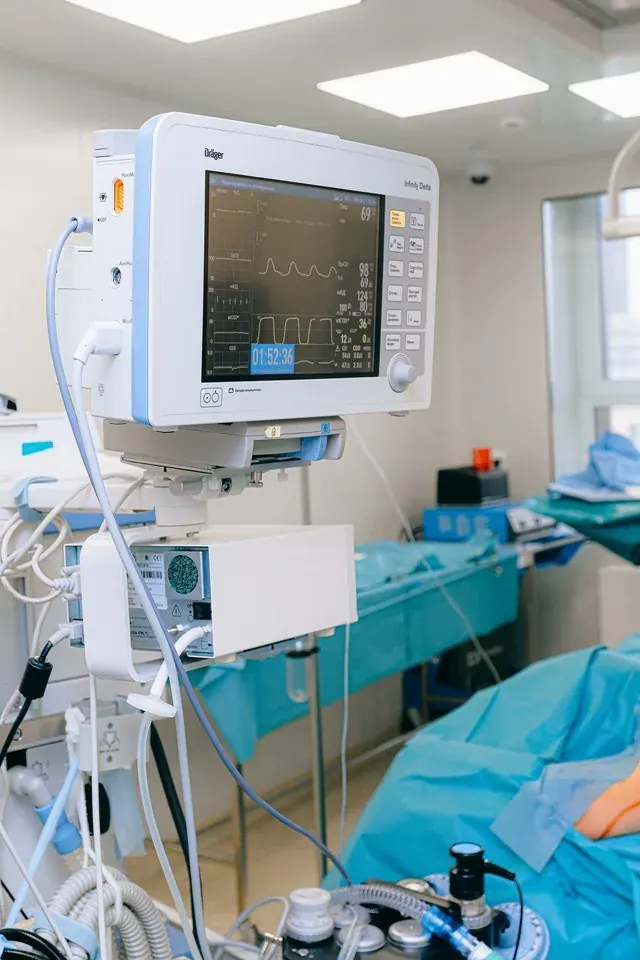
1. Confirm Site Readiness
- Approved room layouts and equipment locations.
- Electrical, emergency power, UPS and earthing requirements.
- Medical gases, water, drainage, ventilation and environmental conditions.
- Network, software, cybersecurity and integration readiness.
- Access routes, lifting, storage and infection-control arrangements.
- Construction completion and dust-control requirements.
2. Control Delivery and Receipt
Record purchase order, supplier, model, serial number, quantities, accessories and package condition. Photograph damage, record shortages and quarantine non-compliant deliveries. High-value equipment should not be accepted without a documented receiving process.
3. Install and Configure Equipment
Installation should follow manufacturer requirements and the approved responsibility matrix. Confirm fixed services, accessories, software versions, network configuration, calibration, labelling and asset identification.
4. Complete Commissioning and Acceptance Testing
- Verify safety and performance tests.
- Confirm accessories, manuals, certificates and licences.
- Test alarms, interfaces, data transfer and backup arrangements.
- Record defects, outstanding work and corrective-action dates.
- Obtain authorised acceptance only after agreed criteria are met.
5. Train Users and Technical Teams
Training should cover safe operation, cleaning, basic troubleshooting, consumables, shutdown, emergency procedures and escalation. Technical teams need maintenance requirements, service contacts, warranties, passwords, configuration records and spare-part information.
6. Complete Handover Documentation
- Asset register and serial numbers
- Acceptance and test certificates
- User and service manuals
- Training attendance records
- Warranty and service agreements
- Software, licence and integration records
- Outstanding-items register and closure evidence
Installation and Commissioning FAQs
Who should own the commissioning plan?
The client should appoint a responsible coordinator, while suppliers and contractors remain accountable for their defined deliverables.
When should planning begin?
Before procurement and design freeze, because installation requirements can affect rooms, utilities, contracts and the project programme.
What is the difference between installation and acceptance?
Installation places and configures the equipment. Acceptance confirms that the agreed equipment, documentation, tests and performance criteria have been met.
How Capex Solutions Supports This Work
Capex can help connect room readiness, supplier delivery, installation interfaces, acceptance evidence, user training and asset handover so commissioning is treated as part of healthcare project delivery rather than an isolated supplier task.
For commissioning-heavy projects, the most relevant services are healthcare project management, medical equipment procurement, equipment planning and lifecycle planning.
Related Healthcare Project Guides
Useful next resources are the Medical Equipment Procurement Process, Medical Equipment Asset Register Guide and Clinical Engineering & Maintenance Planning Guide.
Medical Equipment Commissioning & Handover Across South Africa & Africa
Installation and commissioning plans should be aligned with room readiness, utilities, supplier responsibilities, training and the wider construction programme. For healthcare projects in South Africa, early coordination helps prevent equipment arriving before access routes, power, data, medical gases or other required services are ready.
Capex Solutions supports the coordination interface through healthcare project management and medical equipment procurement. African cross-border projects can add further dependencies such as freight clearance, remote-site access, travel schedules, local subcontractors and supplier service coverage, making documented acceptance and handover responsibilities even more important.